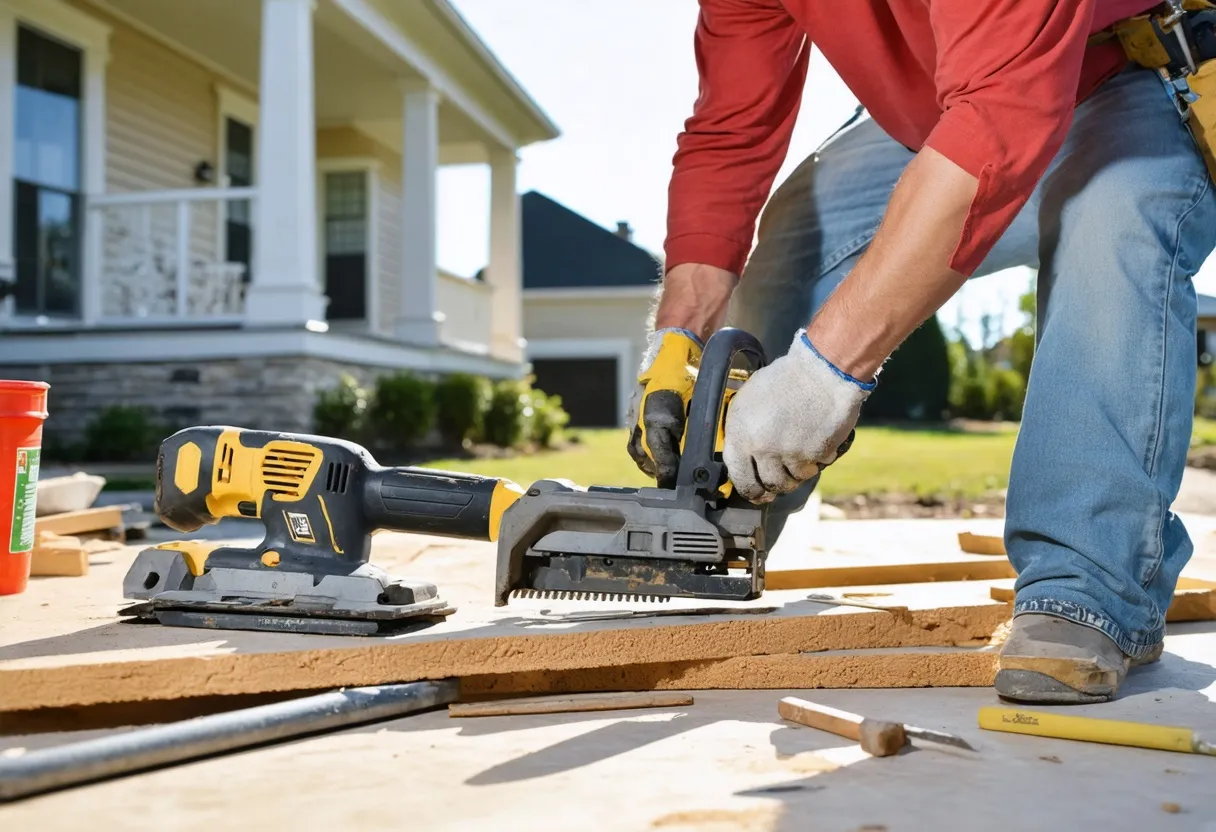
A whole home renovation in Tuscaloosa is a different animal from a single-room remodel. You're coordinating structural work, electrical and plumbing updates, finishes, and often permitting and inspections, all while trying to keep a livable timeline and a predictable budget. For homeowners planning a full house remodel in Tuscaloosa, AL — whether that means a top-to-studs gut renovation or a phased whole-home upgrade — the difference between a smooth project and a stressful one almost always comes down to who's managing it. We build every whole home renovation on warranty-backed craftsmanship, insurance-claim-ready project management, and financing options that are published up front rather than negotiated behind closed doors, so you know what you're signing up for before demolition ever starts.
This page walks through what a whole home renovation actually includes, how our process works from first call to final walkthrough, what drives cost up or down, and the questions Tuscaloosa homeowners ask most before committing to a project this size.
What a Whole Home Renovation in Tuscaloosa Covers
"Whole home renovation" gets used loosely in this market, so it's worth being specific. As a home renovation contractor in Tuscaloosa, we scope these projects across every system and surface in the house, not just the rooms that show well in photos:
- Structural and layout changes — removing or relocating load-bearing walls, reframing openings, adding or closing off rooms, and correcting foundation or framing issues uncovered during demo
- Full kitchen and bathroom remodels — cabinetry, countertops, plumbing fixture relocation, tile, and ventilation, done as part of the whole-house plan rather than as isolated jobs
- Electrical system updates — panel upgrades, rewiring older sections of the home, and adding circuits for modern kitchen and HVAC loads
- Plumbing replacement or rerouting — especially important in older Tuscaloosa housing stock where original supply and drain lines are past their service life
- HVAC replacement or redesign — right-sizing systems for a reconfigured floor plan
- Windows, doors, insulation, and exterior envelope work — often bundled into a gut renovation because the walls are already open
- Interior finishes — flooring, trim, paint, lighting, and built-ins that tie the whole project together
A true gut renovation in Tuscaloosa strips a home down to framing and rebuilds every one of these systems at once. A phased whole-home renovation tackles the same scope over a longer timeline, room by room, which is often the more budget-friendly path for homeowners who need to stay in the house during construction.
Service Area: Tuscaloosa, Northport, and Cottondale
We take on whole home renovations throughout Tuscaloosa and the surrounding communities, including Northport and Cottondale, as well as the broader Tuscaloosa County area. Housing stock varies block to block in this region — postwar brick ranches near the older Tuscaloosa neighborhoods, newer construction on the Northport side of the river, and a mix of both out toward Cottondale — and that variation matters when you're scoping a renovation. A 1960s house is far more likely to turn up galvanized plumbing, undersized electrical panels, or asbestos-containing materials behind the drywall than a home built in the last two decades. We plan for those possibilities in Tuscaloosa County homes rather than treating them as surprise change orders.
Our Renovation Process
Whole home renovations fail budgets and timelines most often because the process wasn't clearly defined up front. We run every project through the same structured path, adapted to whether the job is bid-build or design-build.
Bid-Build vs. Design-Build
If you already have architectural drawings or a designer's plans in hand, we can bid the project as drawn — a straightforward bid-build arrangement where we price and construct against an existing scope. Most whole home renovations, though, benefit from a design-build approach: we bring design, engineering coordination, and construction under one roof so the people drawing the plans are talking directly to the people swinging hammers. That eliminates the gap where a design looks great on paper but doesn't account for a load-bearing wall, a vent stack, or a panel location — the kind of conflict that causes expensive mid-project redesigns under a traditional bid-build split.
The 3-Step Process
- Assessment and scope. We walk the entire home, evaluate structural, electrical, plumbing, and HVAC condition, and document what's driving the renovation — space, function, damage, or age. For insurance-related projects, this is also where we document pre-existing conditions and loss-related damage for the claim file.
- Design and proposal. We translate the assessment into a defined scope of work, drawings where needed, and a detailed proposal broken out by phase or system, so you can see where the money is going rather than receiving one lump-sum number.
- Construction and closeout. Permitting, demolition, rough-in inspections, finish work, and a final walkthrough where every item on the punch list gets resolved before we call the project complete.
Throughout all three steps, you get a single point of contact rather than being passed between a designer, a project manager, and a site super who aren't talking to each other.
Design Services
Because whole home renovations touch layout as much as finishes, design isn't an afterthought — it's built into the front of the process. That includes space planning for reconfigured floor plans, material and finish selection, and coordination with structural engineering when walls are moving. The goal is a finished design that's already been checked against what's actually buildable in your home, not a set of drawings handed off to a construction crew to figure out on site.
See the Work: Project Portfolio
The clearest way to evaluate a contractor for a project this size is to look at completed work of similar scope. Our project portfolio shows full house remodels and gut renovations we've completed around Tuscaloosa, including before-and-after layouts, so you can see how a reconfigured kitchen or an opened-up living space actually turns out — not just a rendering.
What Drives the Cost of a Whole Home Renovation
Whole home renovation costs in Tuscaloosa span a wide range because the scope spans a wide range. Rather than quote a single number that won't apply to your house, it helps to understand the variables that move the price:
- Scope depth — a cosmetic whole-house refresh (flooring, paint, fixtures, surface updates) costs far less than a structural gut renovation that opens walls and replaces systems
- Structural changes — removing load-bearing walls, adding square footage, or reconfiguring the roofline adds engineering and framing cost
- Age and condition of existing systems — older Tuscaloosa and Northport homes more often need full electrical or plumbing replacement, which is easier to budget for when it's identified during assessment rather than discovered mid-demo
- Kitchen and bathroom count — these rooms carry the highest per-square-foot cost of any space in a renovation due to plumbing, cabinetry, and fixtures
- Material tier — from builder-grade to custom finishes, material selection is usually the single largest swing factor in the final number
- Occupied vs. vacant renovation — phasing work around a family living in the home extends the timeline and can affect sequencing costs
We price projects in defined tiers rather than a single blended rate, so you can see what a cosmetic-level renovation costs versus a full structural gut before committing to either. Full pricing tiers and the financing programs we offer — including options that let you spread a whole home renovation over manageable monthly payments — are published on our pricing and financing page rather than held back until after a sales visit.
Insurance Claims and Whole Home Renovation
Some whole home renovations start with damage — storm, water, or fire — rather than a purely voluntary remodel. When that's the case, project management shifts to include the insurance side of the job: documenting pre-loss and post-loss conditions with the level of detail an adjuster expects, itemizing scope so it maps cleanly to a claim estimate, and sequencing work so covered repairs and any out-of-pocket upgrades you choose to bundle in don't get tangled together on paper. That distinction matters at closeout, when your insurer wants a clear record of what was claim-related work and what was homeowner-elected improvement. Handling that separation correctly from the start avoids disputes and delays in claim payout later in the project.
Why the Warranty Matters on a Project This Size
A whole home renovation touches nearly every system in the house, which means there are more places for something to go wrong down the line than on a single-room remodel. That's why we back this work with a written workmanship warranty rather than a verbal assurance. You can review exactly what's covered, for how long, and how to request service on our workmanship warranty page — it's meant to be read before you sign a contract, not discovered after a problem shows up.
Why Work With a Local Tuscaloosa Contractor
A whole home renovation is not a project you want managed remotely or subcontracted out to whoever's available that month. Working with a contractor based in and around Tuscaloosa means faster response when an inspector needs to reschedule, familiarity with permitting requirements across Tuscaloosa, Northport, and Cottondale jurisdictions, and a crew that's dealt with the specific quirks of this region's housing stock and soil conditions before. It also means accountability — if a warranty issue comes up two years after completion, you're calling a company with a permanent local presence, not chasing down a crew that moved on to another market.
Common Mistakes to Avoid
- Getting a single lump-sum bid with no breakdown. Without a phase-by-phase or system-by-system breakdown, you can't tell where a "value engineering" cut is actually coming from.
- Skipping the structural and systems assessment. Renovations that skip this step tend to hit expensive surprises once walls are opened — undersized panels, failing galvanized pipe, or rot behind siding.
- Choosing finishes before the layout is locked. Cabinetry and tile selected against a floor plan that later changes gets re-ordered, which costs both money and time.
- Not confirming warranty terms before signing. Verbal promises about "we'll take care of it" don't hold up if a contractor is unreachable a year later.
- Underestimating timeline for occupied renovations. Living in the home during a gut renovation is possible but requires sequencing that a rushed proposal often glosses over.
How to Choose a Contractor for a Whole Home Renovation
For a project of this scope, evaluate a contractor the same way you'd evaluate any major, multi-month investment:
- Ask to see a detailed, phased proposal — not just a total number
- Ask what happens if hidden conditions (bad wiring, water damage, structural issues) are found after demo, and how that's priced
- Confirm the warranty terms in writing before signing anything
- Review completed projects of similar scope, not just single-room remodels
- Ask directly whether they manage the insurance side of the project if any of the work is claim-related
- Confirm financing terms are published and fixed, not quoted differently depending on the conversation
Get a Written Quote
No pressure, no obligation — just a clear scope and price in writing.
More general contractor services
Ready to Get Your Project Scoped?
Tell us what you're working on and we'll put together a written quote.